United States Department Of Labor Proposing A Change In Independent Contractor Classification
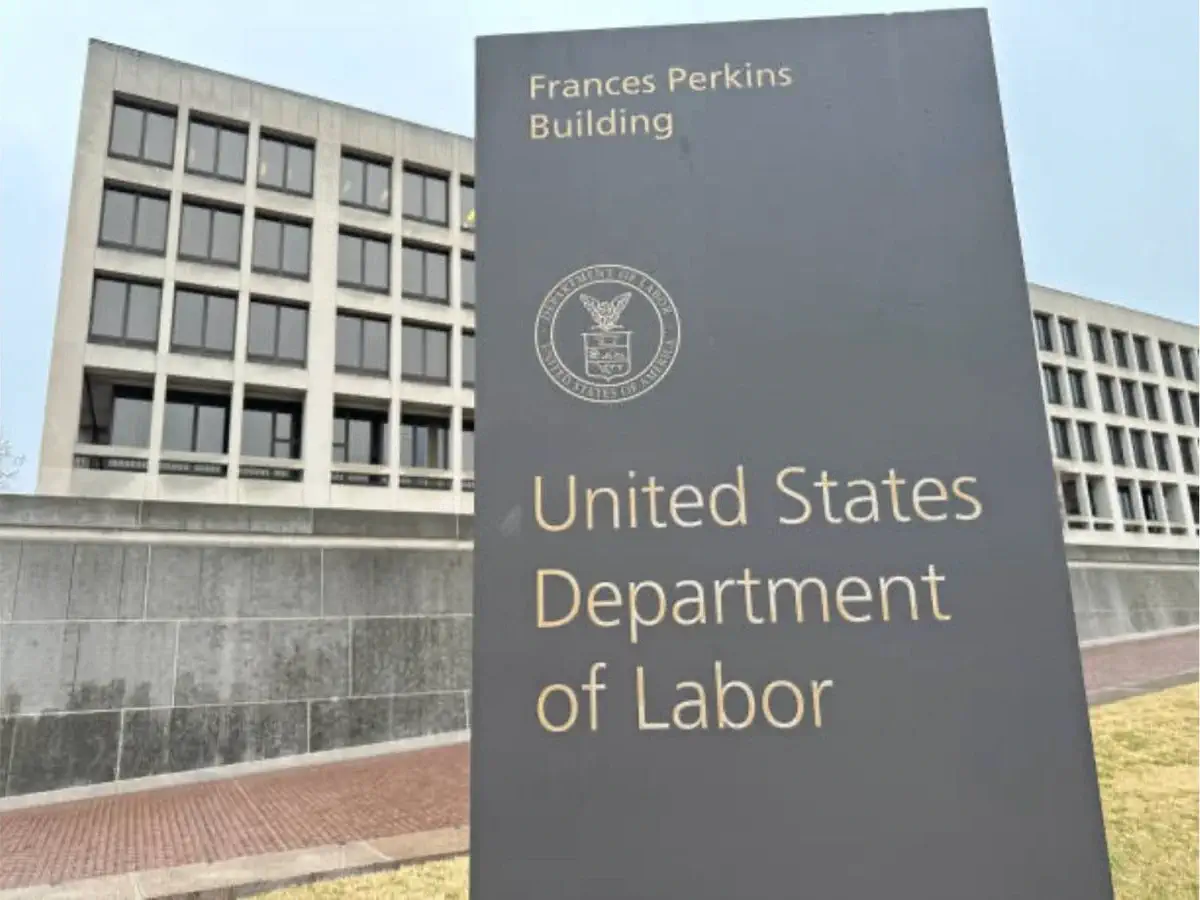
The United States Department of Labor (DOL) is proposing a modification to the way employers classify independent contractors. On February 27, 2026, the DOL proposed a change from the Biden-era final rule addressing the classification of independent contractors under the Fair Labor Standards Act (FLSA), applying new standards based on economic realities and “core factors” associated with a worker’s economic dependence on an employer for work. This would essentially revive the pre-2024 classification standards.
With the 60-day public comment period commencing, businesses should continue to monitor the proposed rule to ensure they maintain classification compliance should the rule go into effect. They should also take this opportunity to review their job classifications to ensure compliance with federal and state laws.
Current DOL Rule
On January 10, 2024, the DOL published a final rule, 29 C.F.R. § 795.105, which classifies independent contractors by largely focusing on whether a worker is economically dependent on the potential employer or is in business for themselves using a totality-of-the-circumstances approach where no single factor is dispositive. Generally, workers who are “economically dependent on an employer for work” are employees, while those who are “in business for themselves” are independent contractors.
Specifically, the current rule employs a six-factor test to determine whether workers are employees or independent contractors. Relevant factors include:
- the worker’s opportunity for profit or loss,
- investments by the worker,
- the degree of permanence in the employer/employee relationship,
- the nature and degree of control exercised by the employer,
- the measure of how integral the worker’s labor is to the employer’s enterprise, and
- the skill and initiative required for the role.
Rule Proposal
The proposed rule replaces the current rule’s more holistic inquiry with:
- a modified “economic reality” test to determine whether a worker is in business for himself or herself as an independent contractor or is an employee economically dependent on an employer for work, and
- a focus on two “core factors” to help determine if a worker is economically dependent on an employer for work or in business for themselves. The “core factors” are:
- the nature and degree of an employer’s control over the work, and
- the worker’s opportunity for profit or loss based on initiative and investment.
The proposed rule identifies other factors to help determine a worker’s status as an employee or independent contract, including 1) the amount of skill required for the work, 2) the degree of permanence of the working relationship, and 3) whether the work is part of an integrated unit of production.
Lastly, the proposed rule places a stronger emphasis on the actual practice of the worker and the potential employer as opposed to what may be contractually or theoretically possible for the worker. To effectuate this and to assist employers, the proposed rule provides eight fact-specific examples applying the new factors
Impact on Massachusetts and Rhode Island Law and Employers
Employers with Massachusetts and Rhode Island workers must comply with the FLSA as well as their state laws regarding worker classification. Regardless of whether the new rule is adopted, Massachusetts employers must still comply with the longstanding “ABC Test” codified in G.L. c. 149, § 148B. The “ABC Test” is one of the most stringent / employee-friendly misclassification standards, with a default understanding that all workers are employees unless the employer proves that it can satisfy all three prongs of the Test.
Rhode Island’s independent contractor law (RI Gen. Laws, § 28-42-7) relies upon yet another standard – that promulgated by the Internal Revenue Services (IRS) – which largely focuses on the employer’s direction and control of the result of the work performed by the worker. Although the DOL’s proposed rule will not directly modify the IRS’ standards, Rhode Island employers should be aware of the proposal as the IRS may elect to interpret its standards to more align with the new DOL rule if enacted.
Next Steps
There are no immediate steps for employers to take because DOL has only just proposed the new rule. However, as the public comment period begins, employers should review and revise their policies related to employees and independent contractors; and consider modifying their job descriptions, employment agreements, and independent contractor agreements to ensure compliance with state and federal laws. Review of these policies and documents should be a regular occurrence because failure to comply with the FLSA, Massachusetts, or Rhode Island carries serious consequences, including double or treble damages, attorneys’ fees, and the potential of criminal sanctions.
The public comment period is expected to end on April 28, 2026, after which time the proposed rule will likely take effect with some degree of modification after consideration of the commentary.
Cole Law Partners Can Help
Employers do not need to risk misclassifying their workers by acting alone. Cole Law Partners’ employment lawyers understand the analysis necessary to maintain compliance and can advise concerning the significant risks for non-compliance. Employers with questions or concerns should contact us, and we will collaborate to assist with properly classifying your workforce to ensure your business adheres to all relevant employment laws and regulations.